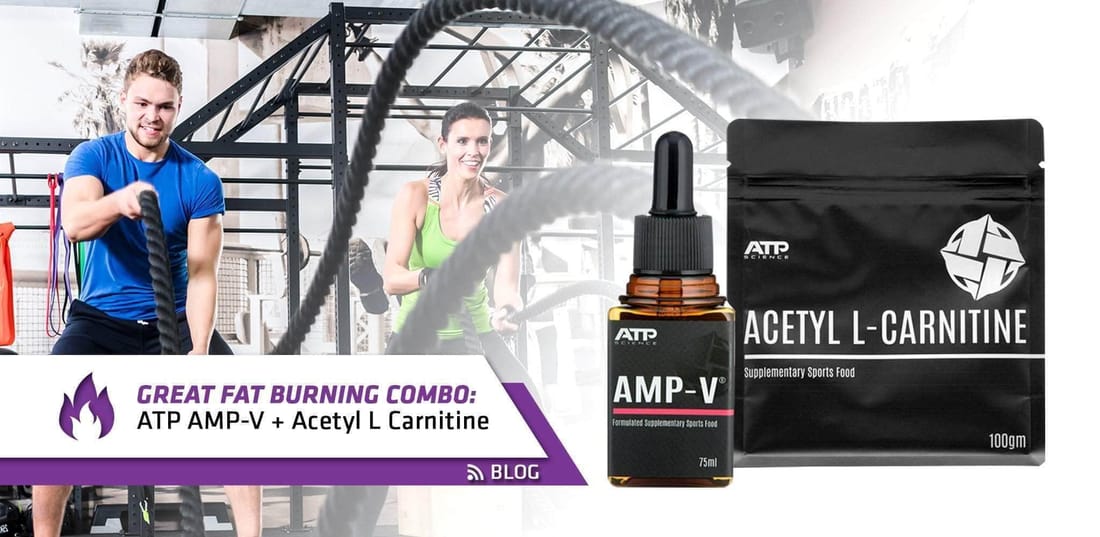
L-Carnitine Explained: Does It Help With Fat Loss?
What L-carnitine does, what research says about fat loss, the difference between L-carnitine, ALCAR and L-tartrate, and how people take it.

Quick answer
L-carnitine is a nutrient that helps move fatty acids into your mitochondria to be used for energy. Your body makes it, and it's found in red meat and dairy. As a supplement, research on fat loss is mixed and modest — it may support results alongside a calorie deficit and exercise, but it isn't a shortcut.
L-carnitine appears in many fat-loss formulas and is one of the most-searched "fat burner" ingredients in Australia. But what does it actually do, and is it worth buying? Here's an honest look.
What is L-carnitine?
L-carnitine is a compound your body makes from the amino acids lysine and methionine, mainly in the liver and kidneys. You also get it from food — red meat is the richest source, with smaller amounts in dairy, fish and chicken. Most of your body's carnitine is stored in skeletal muscle.
Its best-known job is acting as a shuttle: it carries long-chain fatty acids into the mitochondria, the parts of your cells that turn fuel into usable energy. That role is why it's associated with fat metabolism.
Does L-carnitine help with fat loss?
Here's the nuance: having a transport system for fat isn't the same as having a limit on fat burning that a supplement removes. Healthy people already make enough carnitine for normal function, and muscle carnitine levels are hard to raise quickly with supplements.
Some studies and reviews have found small reductions in body weight or fat mass with L-carnitine supplementation, particularly in people with overweight or in older adults; others have found little effect in lean, active people. The overall picture is that any effect is modest and depends on the person, dose and duration.
In practical terms: L-carnitine may be a supporting player. The calorie deficit is still what drives fat loss — see our guide to fat loss and the calorie deficit.
Other reasons people use it
Exercise recovery
L-carnitine L-tartrate has been studied for markers of muscle damage and soreness after resistance exercise, with some studies reporting reduced soreness. Results vary between studies.
Focus and energy
Acetyl-L-carnitine (ALCAR) crosses into the brain more readily and is a common ingredient in focus-style formulas.
The three main forms
| Form | Common use | Notes |
|---|---|---|
| L-carnitine (base / liquid) | Fat-loss products | Often in liquid shots or powders |
| Acetyl-L-carnitine (ALCAR) | Focus, fat-loss stacks | Popular in capsule form; pairs with stimulant thermogenics |
| L-carnitine L-tartrate | Exercise recovery | The form most often used in recovery research |
Browse L-carnitine supplements to compare forms.
How people take L-carnitine
- Dose: studies commonly use around 1–3 g per day. Always follow your product's label.
- With food: some research suggests muscle uptake is better when taken with carbohydrate and protein, so many people take it with a meal.
- Consistency: raising muscle carnitine takes weeks to months of daily use, so occasional use is unlikely to do much.
Who might consider it?
- People already in a sensible calorie deficit who want to add a non-stimulant to their routine.
- Vegetarians and vegans, whose dietary carnitine intake is very low (although the body still makes its own).
- Anyone looking for a caffeine-free component to pair with a thermogenic.
Safety
L-carnitine is generally well tolerated at common doses. Higher doses can cause stomach upset and, in some people, a "fishy" body odour. If you have a thyroid condition, kidney disease, a seizure disorder or take medication, check with your healthcare professional first.
Building a fat-loss routine around it
The order of priorities matters:
- A moderate calorie deficit you can sustain.
- High protein — around 1.6–2.2 g per kg — to help preserve muscle and manage hunger. A whey isolate is a low-calorie way to hit it.
- Resistance training plus daily movement — see daily steps for fat loss.
- Sleep and stress management.
- Supplements like L-carnitine, greens or a thermogenic as optional extras.
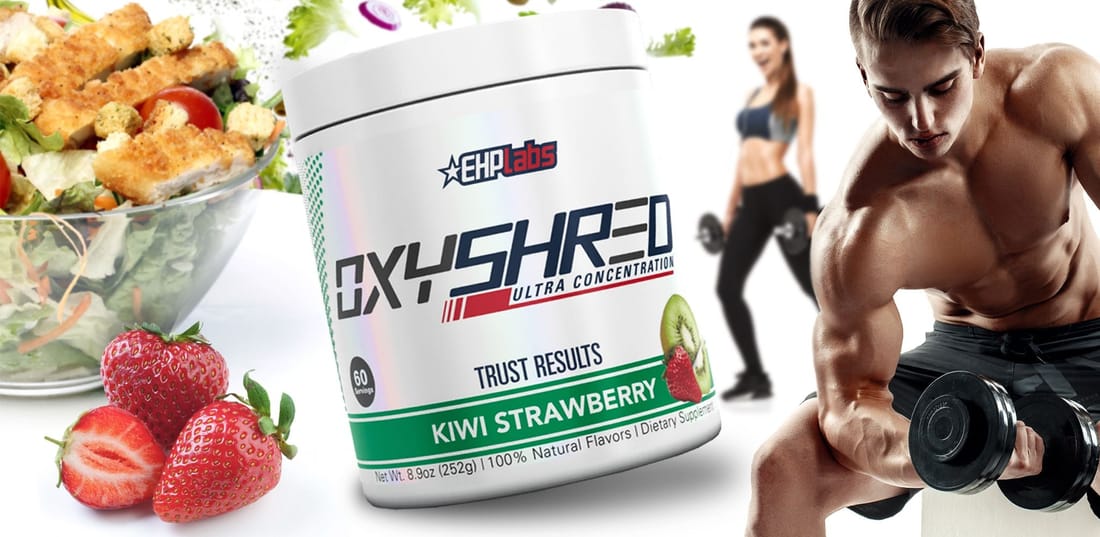
Our Lean & Mean Cut Stack pairs ALCAR with whey isolate, OxyShred, greens and creatine, while the 12-Week Shred Transformation Stack covers a full 12-week phase — both priced below buying the items separately.
Food sources of carnitine
Most people who eat meat get a meaningful amount of carnitine from their diet. Approximate amounts per serve:
- Beef steak (120 g): roughly 50–110 mg
- Beef mince (120 g): roughly 80–100 mg
- Milk (1 cup): around 8 mg
- Chicken breast (120 g): a few milligrams
- Plant foods: very little
Because the body makes its own carnitine, low dietary intake doesn't automatically mean low body levels. But it explains why vegetarians and vegans are sometimes interested in supplements.
The verdict
L-carnitine plays a real role in fat metabolism, but supplementing it is no substitute for a calorie deficit. If your basics are in place and you want a non-stimulant addition, it's a reasonable option. Set expectations accordingly and judge results over months, not days.
Information is general in nature and not intended to diagnose, treat or prevent any condition. Supplements should not replace a balanced diet. Always read the label and follow directions for use.