How to Plan a 12-Week Body Transformation (Step-by-Step)
A realistic 12-week transformation plan: goals, calorie and protein targets, a three-phase training structure, weekly check-ins and supplements.
Quick answer
A successful 12-week transformation has one clear goal, calorie and protein targets, a three-phase training plan (foundation, build, peak), weekly check-ins and a plan for what happens after week 12. Aim to lose around 0.5–1% of bodyweight per week for fat loss, keep protein high and lift three to four times a week.
Twelve weeks is long enough to see real change and short enough to stay motivated. But the difference between people who finish transformed and those who fizzle out by week four usually comes down to planning. Here's a framework you can use.
Step 1: set one clear goal
"Get fit" is a wish. "Lose 6 kg and bring my waist down 6 cm while keeping my squat strength" is a goal. Make it specific and measurable, and choose a primary direction: fat loss, muscle gain or recomposition (losing fat and gaining muscle at roughly maintenance — most realistic for beginners).
Step 2: take your starting measurements
- Morning bodyweight (average of three to four days)
- Waist, hips, chest and arm measurements
- Front, side and back photos in the same lighting
- Strength benchmarks on three main lifts
- Average daily steps
These are your reference points. The scale alone never tells the whole story.
Step 3: set nutrition targets
Calories
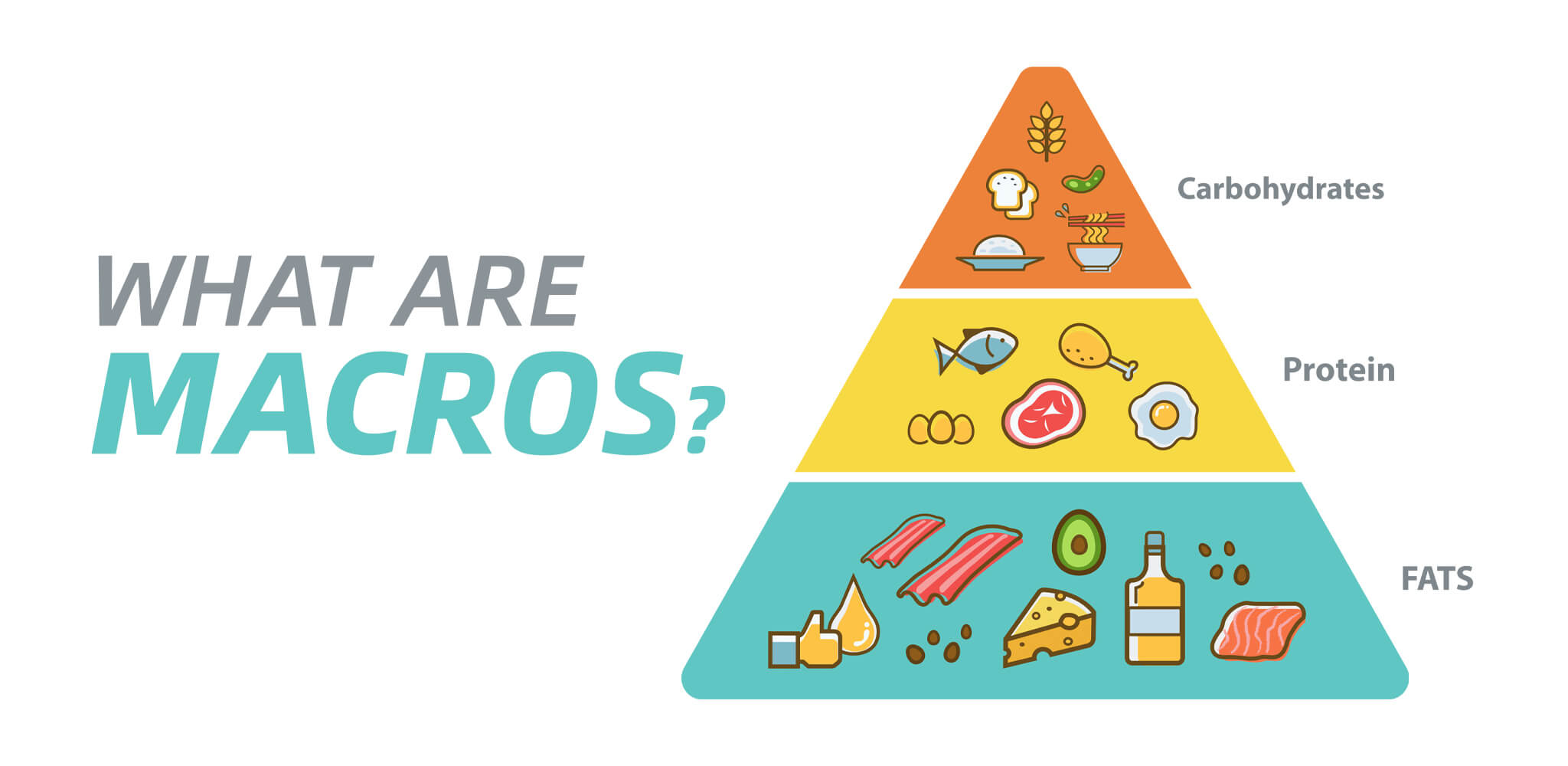
For fat loss, start with a deficit of around 300–500 calories (roughly 1,250–2,100 kJ) per day below maintenance. For muscle gain, a surplus of about 200–400 calories. Our guide to macros and how to count them explains the maths.
Protein
Aim for 1.6–2.2 g per kilogram of bodyweight, spread over three to five meals. This helps preserve muscle in a deficit and keeps hunger manageable.
Structure
Plan meals around a protein source and vegetables. Our high-protein meal prep ideas make this easy on busy weeks.
Step 4: the three-phase training plan
| Phase | Weeks | Focus |
|---|---|---|
| Foundation | 1–4 | Learn the lifts, establish routine, build up to target steps |
| Build | 5–8 | Add sets and load, increase steps, consider one or two cardio sessions |
| Peak | 9–12 | Maintain intensity, protect recovery, keep nutrition tight |
Lift three to four days a week using compound movements and apply progressive overload. If you're new, our beginner 4-week program works well for weeks 1–4. Build daily steps toward 8,000–10,000 — see daily steps for fat loss. A lighter week around week 7 or 8 can help you recover; see deload weeks explained.
Step 5: weekly check-ins
Pick the same day each week to review:
- Weekly average bodyweight
- Waist measurement
- Training log — are your lifts holding or improving?
- Average steps and sleep
- Hunger, energy and mood (rate 1–5)
If fat loss is on track (0.5–1% of bodyweight per week), change nothing. If it's stalled for two to three weeks, make one small adjustment. Our weight-loss plateau guide covers what to change first.
Step 6: plan for obstacles
- Social events: plan ahead, prioritise protein, decide on drinks in advance.
- Busy weeks: have a minimum routine — two full-body sessions and daily walks.
- Missed days: don't "start again Monday". Just make the next meal or workout count.
- Low motivation: look back at your starting photos and training log.
Step 7: supplements that support the plan
Supplements make a good plan easier — they don't replace it.
- Protein powder: a low-carb whey isolate makes protein targets easy on fewer calories.
- Creatine monohydrate: supports strength and power during high-intensity training; keep taking it while you cut.
- Greens and a multivitamin: help cover nutrients when food volume is lower.
- Thermogenic (optional): some people like one for training energy. Mind your total caffeine and avoid it late in the day.
To save planning and money, our 12-Week Shred Transformation Stack is built for exactly this timeline — four tubs of Iso Whey Zero, three each of OxyShred and OxyGreens, creatine, casein, L-carnitine and more, priced below buying the items separately. Building muscle instead? See the Ultimate Muscle Builder Stack.
What a realistic 12 weeks looks like
Progress is rarely linear. A typical pattern: a quick drop in the first one to two weeks (partly water and food volume), steady progress through weeks three to eight, then a slower phase where small adjustments matter. Expect at least one week where the scale goes up despite doing everything right — that's water, not failure.
Judge your transformation on the full set of measurements: weekly average weight, waist, photos and strength. Many people who "only" lose 5 kg look dramatically different because they kept their muscle.
Step 8: plan week 13
The biggest mistake is treating week 12 as a finish line. Plan a gradual return toward maintenance calories over two to four weeks, keep training and steps in place, and set your next goal. That's how a 12-week transformation becomes a permanent one.
This plan is general information, not individual advice. If you have a medical condition, are pregnant or have a history of disordered eating, speak with your healthcare professional before starting a new diet or training program.